Crafting Wisconsin’s Future, Together
For generations, Wisconsin has been built on hard work, strong communities, and the promise that if you put in your fair share, you can build a good life for your family. That promise is under pressure today, but it doesn't have to slip away. Wisconsin Futures brings together real stories and real data to explain what’s happening in Wisconsin’s economy — and why it matters to everyday people.
In partnership with the Wisconsin Farmers Union Foundation, we pair lived experience with trusted data to help paint a fuller picture of how policy decisions affect real people and real places across the state.
Let’s pull together to craft Wisconsin’s Future.
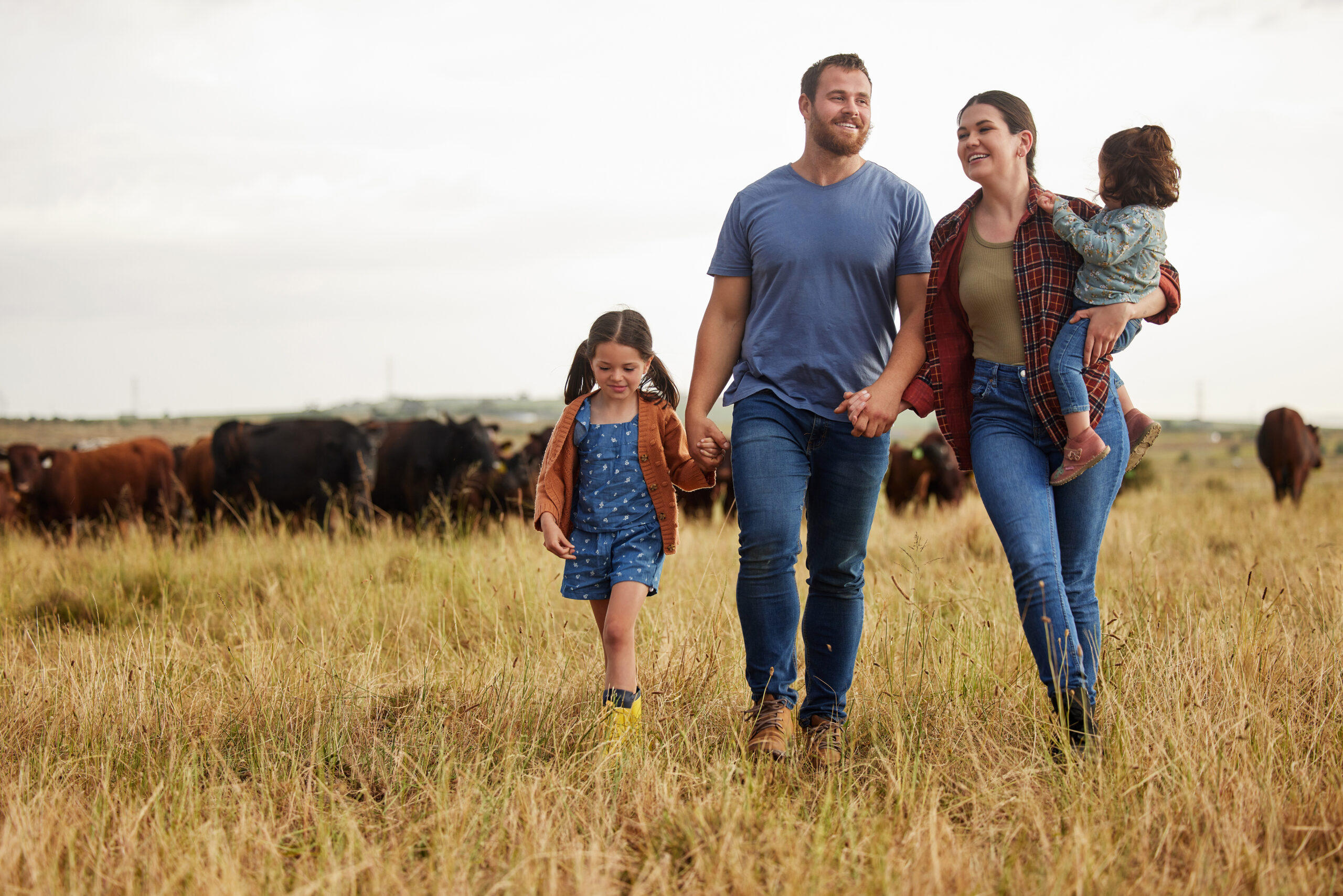
Protecting Wisconsin Families & Communities
The challenges Wisconsin families face aren’t accidents, they’re the result of choices that put the needs of billionaires and corporate special interests ahead of working people. Rising healthcare costs, school funding cuts, tariffs squeezing farmers, higher energy bills—these are all symptoms of a system rigged against everyday Wisconsinites. These pressures hit rural communities the hardest, where one closed hospital, one underfunded school, or one lost employer can ripple through an entire town.
But when we stand together, across race, class, and party, we can protect our families and keep Wisconsin strong. Start by sharing the story of your family and community to Wisconsin Futures. We are a network of local organizations and neighbors who care. We want to try to help our communities. We want to hear from you.
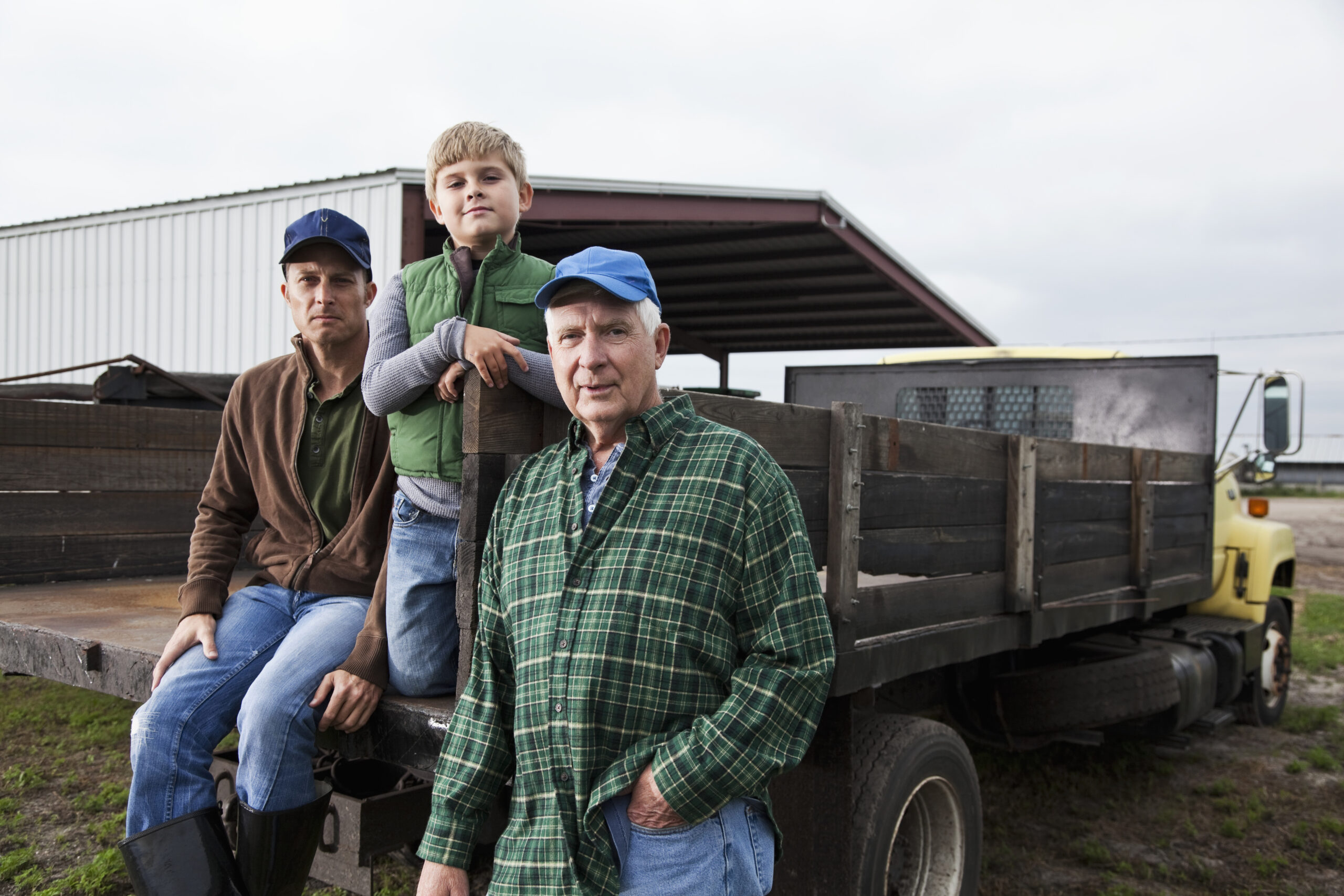
What’s Happening Across Wisconsin Today
For generations, Wisconsin has been built on hard work, fairness, and the promise that if you do your part, you can build a good life for your family. That promise is under threat today due to tariffs, federal budget bills and executive orders that have cut vital services funded by our tax dollars such as education, local energy, and health care. These cuts prioritize billionaires at the expense of working people. Here's how:
Healthcare

When a hospital closes its doors, an entire community feels the loss. Families in rural Wisconsin are especially vulnerable, with cuts to Medicaid and other programs, many will be forced to drive hours for treatment or, too often, go without care at all.
The One Big Beautiful Bill Act (OBBBA) will take health coverage from 276,000 Wisconsinites and shrink rural Medicaid spending by $2.1 billion over the next decade. That means at least three rural hospitals are now at high risk of closure, leaving whole regions without access to essential care.
It’s not only hospitals at stake. Cancelled federal grants have already stripped away funding for school-based mental health programs, leaving districts with the highest needs without critical staff. When health programs vanish, it’s not just patients who suffer; local economies do too, as good jobs disappear and the community loses one of its anchors.

Education
Strong schools are the backbone of thriving communities, but today Wisconsin classrooms are being stretched thin. A $72 million freeze in K-12 funding has already delayed programs meant to help students succeed. At the same time, cuts to food assistance mean that 375,000 families will lose some or all SNAP benefits, directly undercutting school meal programs that kids rely on every day.
The strain doesn’t stop there. Wisconsin lost $7.9 million in farm-to-school grants, programs that once connected students with fresh food while supporting local farmers. Higher education is also under threat, with more than $116 million in research funding at UW–Madison now at risk, jeopardizing critical work on Alzheimer’s, cancer, and diabetes. When schools and universities lose support, the impact ripples from classrooms to communities, making it harder for the next generation to build a strong future here at home.

Affordability Crisis
From the bills families pay to the jobs communities depend on, energy and economic decisions are reshaping Wisconsin. Tariffs have added an average of $2,400 a year in extra costs per household, with the price of building a new home rising by $36,000 because of skyrocketing material costs. At the same time, household utility bills are going up 22%, costing families an extra $300 a year.
The future of clean energy is also at risk. OBBBA is projected to eliminate 30,000 clean energy jobs in Wisconsin and put $2.4 billion in projects on hold, from wind farms to solar installations. Federal actions have already threatened $62 million in solar funding for working families and $188 million set aside for Tribal communities. For a state with a proud tradition of manufacturing and innovation, these setbacks mean fewer good jobs, higher bills, and lost opportunities to lead in the industries of tomorrow.
Labor Shortages Threaten Viability
Family-run dairy farms, many in operation for generations, now face severe labor shortages — not because workers aren’t needed, but because federal immigration policies exclude dairy from standard agricultural guest worker programs and deportation crackdowns have disrupted a workforce that dairy producers rely on year-round. Surveys suggest immigrant workers perform up to 70% of the labor on Wisconsin dairy farms, and tightening enforcement has left barns understaffed and farmers scrambling.

Farming and Rural Economies
What would Wisconsin be without farms? What happens if America’s Dairyland loses its dairy? Today, that’s not a hypothetical — it’s a growing crisis with real consequences for families, rural towns, and the state economy.
Farms Are Disappearing — Especially Dairy
Wisconsin’s agricultural sector remains a cornerstone of the state’s economy, with about 58,500 farms generating over $116 billion annually and supporting roughly 353,900 jobs — nearly 1 in 10 across Wisconsin. At the same time, farms are vanishing at an alarming rate. From 2017 to 2022, Wisconsin lost nearly 10% of all farms, and over the past 25 years the total number has dropped by more than 26%, outpacing the national decline. Dairy farms, the heart of our agricultural identity, have seen an even steeper fall — shrinking by nearly 31% between 2017 and 2022 and by over 74% since 1997.
- Wisconsin farmers lost access to $235 million in climate-smart agriculture projects designed to improve soil health and support sustainable practices.
- Dairy farms, many of them family-run for generations, now face worker shortages due to immigration crackdowns — threatening an industry that sustains rural towns.
- Dairy incomes predicted to fall by up to 20% due to trade policies and supply chain impacts.
The Broader Impact on Rural Towns
When farms close, the effects ripple outward: equipment suppliers, feed stores, veterinarians, processing plants, and Main Street businesses all feel the loss. With fewer farms and fewer workers, rural economies shrink, schools lose enrollment, and local services struggle to stay open.
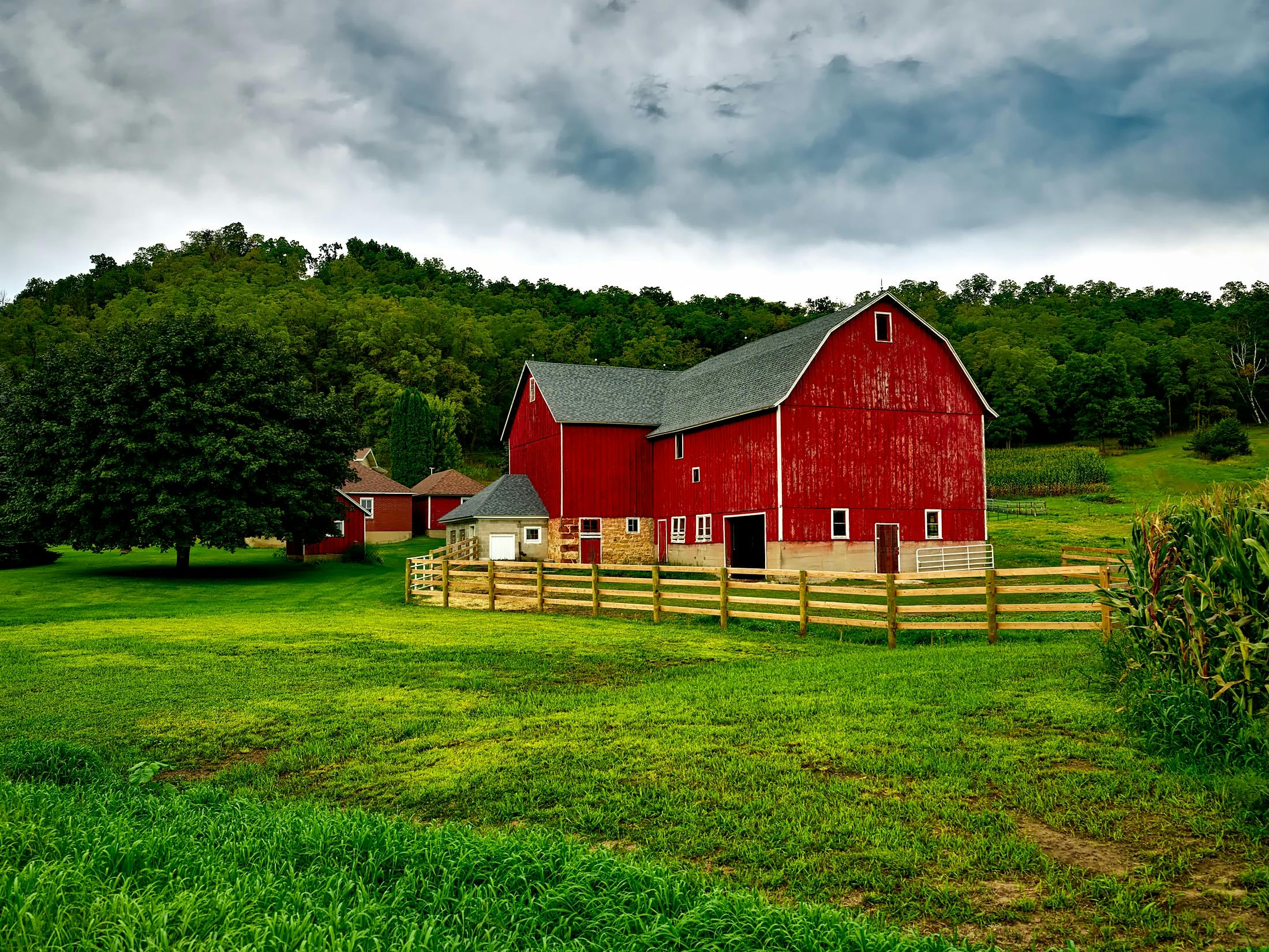
Our State, Our Voices
Let’s Stand Together Against Division and Build Our Wisconsin Future
Across Wisconsin, some voices are trying to pit us against one another. They hope that if we’re divided, we’ll be too distracted to notice corporate special interests rigging the system in their favor. But Wisconsinites know how to stand together, even when we disagree on everything. Whether Democrat or Republican, Black or White, rural or urban, we all want the same things: good schools, affordable health care, strong farms and local businesses, and a fair shot for our kids.
Let’s stand together to protect our future. If we focus on what unites us, we can keep Wisconsin’s promise alive for every family and every community.